Get to know:
AK
Producer
How I got here
I'm Iraqi, born in Jordan and raised in Qatar. From 14 to 17, I worked for Al Jazeera Children's Channel, first as a recurring face on shows and ads, then on my own show, The Editorial Board (هيئة التحرير), as editor-in-chief and on-screen host.
I moved to the States at 17, started a podcast right out of high school, and realized I liked production more than being on screen. Production is collaborative or die, all for one and one for all, and I wanted to be in it with the best of them.
Going back to college wasn't an easy decision. I started in broadcasting and journalism, but video podcasting was on the rise and demanded everything at once: style, branding, scripting, AV production, and logistics. Because it lived on the internet, it didn't have to be one thing. It could be anything from pomp and circumstance to friends joshing around, from advertising to high art.
After college, I made shows at City Cast and then at a few small agencies, both branded and personal-brand alike. Lower Street was the company I'd modeled my work after, and now I get to make shows here.
What I'm interested in
Art is my obsession, especially film, painting, music, and anything live: a theater, a museum, a concert, even a watch party. Travel is a close second, and I don't discriminate among big cities, small walkable towns, the middle of nowhere, or an island beach. I like watching life unfold in different ways. Family can't be ranked; spending every weekend with mine keeps me sane. And I've come to study domestic life: cleaning, organizing, laundry, folding, cooking, and house-husbandmaxxing.
Something that never comes up naturally
I believe any platform should advocate for engagement and awareness, and for me, that starts with art. At the University of Houston, I ran the Film Club, collaborating with the city's museums, schools, and film festival to expand art appreciation among our students. I also teamed up with university professors and abolition activists to create Antipod, a narrative series examining how the carceral system handled the COVID-19 pandemic. Please ask me about how the 3-strikes law was ended, the early signs of post-COVID forceful surveillance, and the people affected who were forced to fight for their basic human rights on their own.
Work that I'm proud of
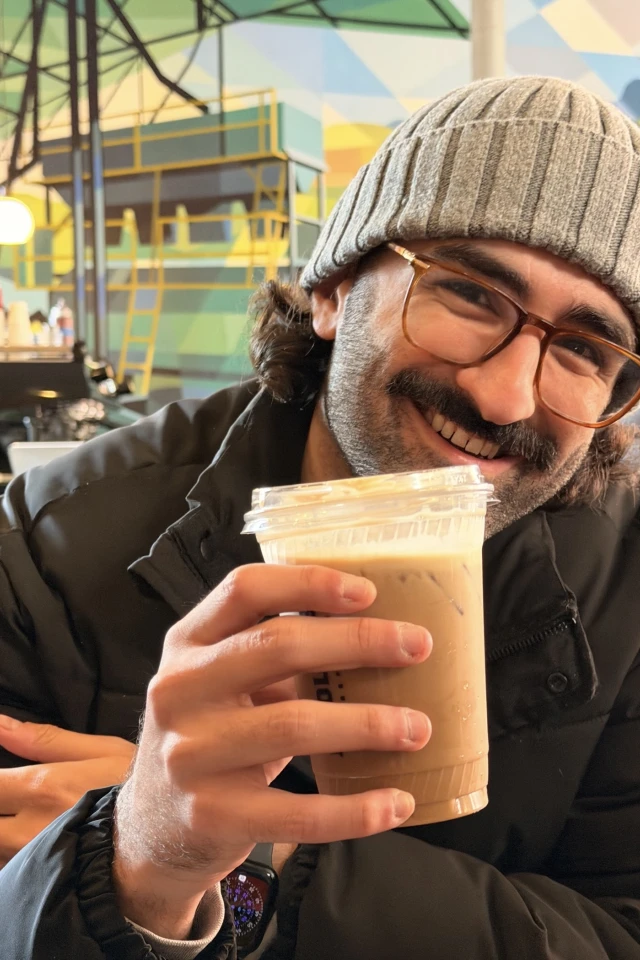 AK ALMoumen