Contents

Author
Steven Bonnard
Head of Marketing
Hi, I'm Steven. I'm a globe-trotter who loves running long distances and listening to podcasts, especially from the news, politics and fantasy categories.
“Tech Podcast” can cover a lot of ground, there’s shows for developers keeping tabs on the latest frameworks, business leaders trying to understand how AI will reshape your industry, or for those of you who want to know which phones and gadgets are the best out there. Tech podcasts have become essential listening for all of us. But there are thousands of them, and most sound eerily similar, so how do you know which show is right for you?
Well, we did the work for you. These tech podcasts stand out as some of the best out there. From deep-dive business storytelling to cybersecurity thrillers to gadget reviews you can trust, this list has something for everyone who cares about where technology is taking us.
The Best Tech Podcasts to Listen to
Accidental Tech Podcast

The Accidental Tech Podcast takes listeners into the world of Apple technology, discussing everything from software development to hardware reviews, but what makes ATP special is the depth and the dynamic between the hosts. With 665 episodes over 13 years, the show has become essential listening for Apple enthusiasts and tech professionals. They broadcast most episodes live with an active IRC chatroom where listeners can suggest episode titles. Recent episodes have covered everything from RAM shortages and display flicker in Tahoe to the differences between minimizing and hiding windows on macOS, Face ID vs Touch ID usability for older folks, and deep dives into upcoming tech like Wi-Fi 7 and Thread/Matter for smart homes.
What sets ATP apart is how the hosts balance being serious tech nerds (John's 75-minute rants about file system specifications are legendary) with being genuinely funny and self-aware. Marco built Overcast, one of the most popular podcast apps. Casey is a software developer who brings the everyman perspective. And well, John is a force of nature with opinions about everything from video game consoles to Apple's design decisions. If you want to understand not just what Apple is doing, but why it matters and what it means for developers and power users, ATP is required listening.
Hard Fork

Every Friday, New York Times technology columnist Kevin Roose and Platformer founder Casey Newton deliver Hard Fork, a show about the future that's already here, exploring and making sense of the latest in the rapidly changing world of tech. Recent episodes have tackled economist discussions on how AI is driving volatility in job and stock markets, the Pentagon's standoff with Anthropic over military contracts, and Nvidia's blockbuster earnings. What sets Hard Fork apart is the chemistry between Roose (whose investigative work on AI safety sparked global debate) and Newton (who founded one of the most influential tech newsletters). They're not afraid to challenge the hype, call out bad actors, or admit when they're confused.
The Vergecast

If you read The Verge, you should absolutely be listening to The Vergecast. Every Friday, hosts Nilay Patel and David Pierce make sense of the week's most important technology news, and every Tuesday, David leads The Verge's expert staff in exploring how gadgets and software affect our lives and which ones you should bring into yours. The Vergecast has a great flow, with discourse that is thorough yet accessible. If you read the news and spend time on X, you'll follow the discussion. What makes The Vergecast special is how it balances consumer tech enthusiasm with industry critique. Patel's legal background makes him particularly sharp on antitrust and regulation, while Pierce brings genuine curiosity about how technology shapes daily life.
Waveform: The MKBHD Podcast

From the mind of Marques Brownlee (MKBHD), one of YouTube's most trusted tech reviewers with over 17 million subscribers, comes Waveform, a tech podcast for gadget lovers where Marques and co-hosts Andrew Manganelli and David Imel dive deep into the latest smartphones, cameras, electric cars, and everything in between. Episodes average about an hour and premiere every Friday, with occasional appearances from prominent tech CEOs like Meta's Mark Zuckerberg and Rivian's RJ Scaringe. The podcast launched in 2019 and became available in video format in 2021, with Brownlee earning a finalist nomination for Best Podcaster at the 2020 Shorty Awards. The trio's commentary is not only knowledgeable but also funny, keeping potentially dry tech subjects interesting and engaging.
Pivot
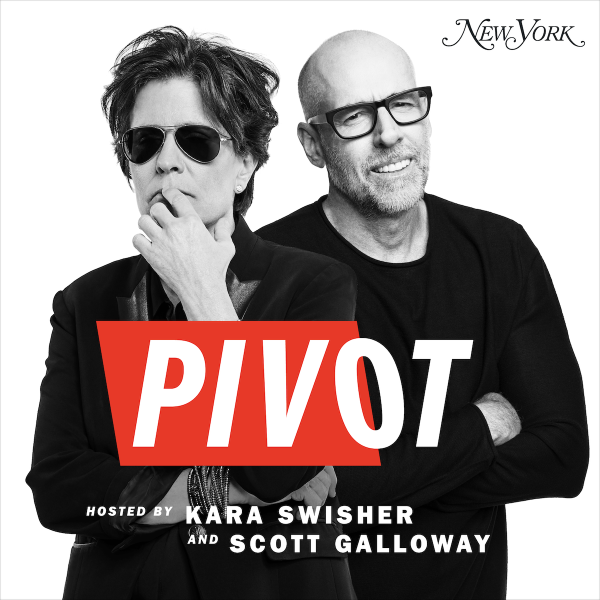
With great power comes great scrutiny, and nobody embodies that philosophy quite like Kara Swisher and Scott Galloway. Every Tuesday and Friday, journalist Kara Swisher and NYU Professor Scott Galloway take a good look into the biggest stories in tech, business, and politics, making bold predictions, picking winners and losers, and bickering like no one else. The current events draw listeners in, and the discussion between Kara and Scott keeps them coming back. The commentary is witty and insightful, the predictions are fascinating, and the dynamic between the two is hilarious. Swisher, who's interviewed every major tech CEO and isn't afraid to hold them accountable, pairs perfectly with Galloway's business school professor energy and willingness to make uncomfortable predictions.
Darknet Diaries
Hosted by Jack Rhysider, Darknet Diaries chronicles true stories about hackers, malware, botnets, cryptography, cryptocurrency, cybercrime, and Internet privacy, tales from the dark side of the Internet. Launched in October 2017, episodes average 30 minutes to an hour, each covering a single topic through original interviews, audio footage, and Rhysider's narration. Think of it as true crime meets cybercrime. The heavily produced episodes include moody music, bespoke graphics, and Rhysider's gather-round-the-campfire storytelling voice, designed to harness his enthusiasm as if he had run into a friend at a bar and wants to share an amazing hack. Rhysider is a veteran of the security world who worked in a Security Operations Center for a Fortune 500 company, so he knows what he's talking about. The podcast has even been directed for use by NSA cyber teams in their training. Cover your laptop camera and prepare to never trust the internet again.
Lex Fridman Podcast

Lex Fridman, an AI researcher at MIT, hosts conversations about science, technology, history, philosophy, and the nature of intelligence, consciousness, love, and power. But that description doesn't quite capture what makes this podcast unique. Fridman's interview style has been described by MIT Professor Manolis Kellis as: "He's a listener. He's there to learn. He invites you as a fly on the wall to learn along with him. He's not pushing an agenda or trying to seem smart".
The podcast features guests from Elon Musk and Mark Zuckerberg to philosophers, physicists, and even UFC fighters. Some criticize Fridman for being too friendly with guests and lacking journalistic detachment, but that's also what makes the show work, Physicist and Nobel laureate Frank Wilczek has complimented Fridman as an effective science communicator who is "helping people understand science" at a "higher intellectual level" than other journalists. If you want multi-hour deep dives into AI, consciousness, and what it means to be human, Lex Fridman delivers.
All-In with Chamath, Jason, Sacks & Friedberg

Industry veterans, degenerate gamblers, and besties, that's how Chamath Palihapitiya, Jason Calacanis, David Sacks, and David Friedberg describe themselves. What started in March 2020 as four friends maintaining their weekly poker game during the pandemic has become one of the top-ranked podcasts in the world.
Every episode delivers long-form discussions of current events, markets, technology, and public policy, with the hosts covering everything from AI and crypto to geopolitics and tariffs. Slate described All-In as "where Silicon Valley's money says what it really thinks," and while critics note the show's growing political framing and partisan debates, there's no denying these four have built something powerful.
This Week in Tech

Launched in 2005, This Week in Tech (TWiT) is not only one of the longest-running tech podcasts but also among the longest-running podcasts, period. Every Sunday, Leo Laporte and a rotating roundtable of tech journalists and experts discuss current tech news, trends, and niche topics, delivering thought-provoking commentary on everything from the latest personal tech to industry forecasts, policies, politics, and global trends. The show started when Laporte recorded a one-off roundtable discussion at the 2005 Macworld Expo with former TechTV colleagues including Patrick Norton, Kevin Rose, and others. After overwhelming fan response, he turned it into a weekly podcast, and the TWiT network has since expanded to include numerous tech-focused shows. Episodes are recorded live every Sunday and often run over two hours, with the panel explaining complex tech stories in ways that don't require an engineering degree, just passion and interest in technology.
Big Technology Podcast

Hosted by Alex Kantrowitz, a Silicon Valley journalist who's interviewed tech's top CEOs Big Technology takes you behind the scenes in the tech world with interviews featuring plugged-in insiders and outside agitators. Kantrowitz brings years of reporting experience to bear in conversations that cut through the PR spin to get at what's actually happening inside the companies shaping our world.
What makes Big Technology stand out is Kantrowitz's ability to ask the questions other journalists are afraid to, and his track record of getting CEOs to actually answer them. The show provides the kind of access and insight that comes from years of building relationships in Silicon Valley, combined with the skepticism of someone who's seen enough hype cycles to know when something is real versus when it's just another pitch deck.


